The United States has announced a major humanitarian response to the devastating earthquakes in Venezuela, committing $150 million in emergency assistance while deploying two U.S. Navy warships, military transport aircraft and helicopters to support rescue and relief operations in the disaster-stricken country.
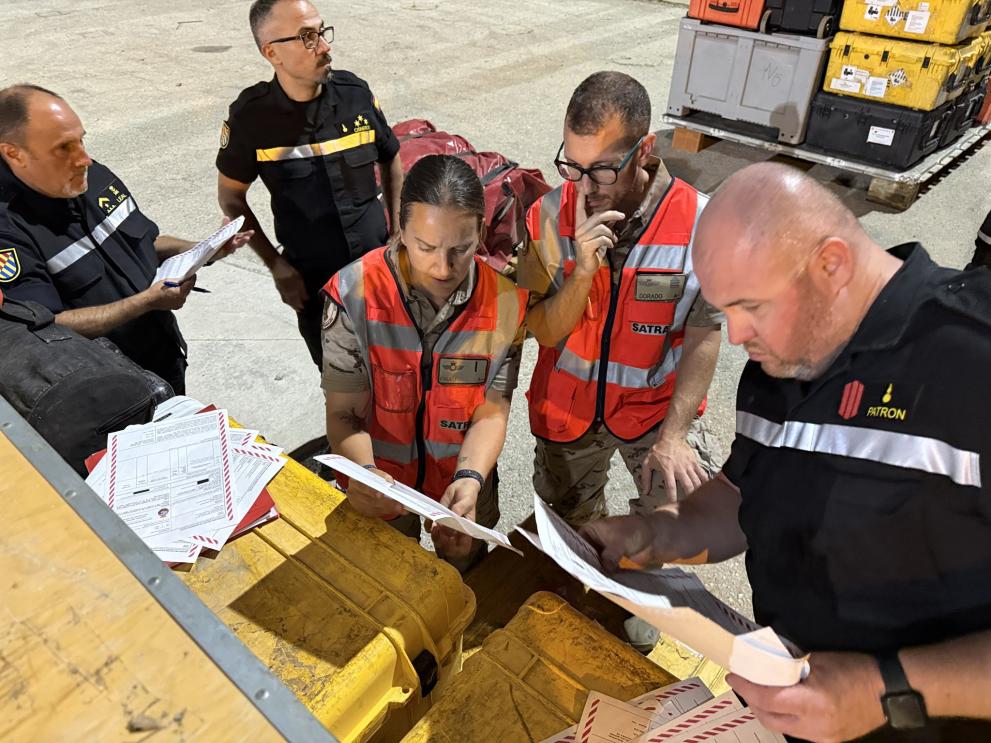
The assistance package, unveiled on Thursday by U.S. officials, is intended to strengthen ongoing international efforts to rescue survivors, deliver emergency supplies and restore access to communities devastated by the powerful earthquakes that have claimed more than 900 lives and injured thousands. According to U.S. authorities, the military assets will focus on humanitarian missions, including airlifting relief materials, transporting emergency personnel and supporting search-and-rescue operations in areas where roads and critical infrastructure have been severely damaged.
According to reports by AFP, the deployment forms part of Washington’s broader international disaster response initiative.
Also read: Nigeria Needs More Taxpayers, Not Higher Taxes, Finance Minister Says
The earthquake, which struck Venezuela’s northern coastal region earlier this week, caused widespread destruction across several cities and towns, leaving thousands of families homeless and overwhelming local emergency services. Residential buildings, hospitals, schools and transport infrastructure sustained extensive damage, while rescue workers continue to search collapsed structures for survivors.
Authorities have warned that the death toll could rise further as recovery teams gain access to heavily affected communities.
U.S. officials said the emergency funding will be channelled through humanitarian agencies and international relief partners to provide food, clean water, temporary shelter, medical supplies and other essential assistance to displaced residents. The aid package also includes logistical support aimed at improving the delivery of humanitarian assistance to isolated communities where damaged roads and disrupted communications have complicated rescue efforts.
The deployment of naval vessels and military aircraft reflects the scale of the disaster and the logistical challenges confronting emergency responders.
Helicopters are expected to play a crucial role in reaching remote or inaccessible locations, evacuating injured survivors and transporting relief workers to areas cut off by damaged infrastructure. Military transport aircraft will also facilitate the movement of emergency equipment and humanitarian cargo into the country.
The U.S. response comes as governments, international organisations and humanitarian agencies intensify relief operations across Venezuela.
Also read: Former Trump Adviser John Bolton Pleads Guilty in Classified Documents Case, Faces Sentencing Later This Year
Several countries have dispatched search-and-rescue specialists, medical teams and emergency supplies, while organisations including the United Nations and the International Federation of Red Cross and Red Crescent Societies have appealed for additional international assistance to address the growing humanitarian needs.
Humanitarian experts say rapid international support is critical during the first days following a major earthquake, when search-and-rescue efforts offer the greatest chance of locating survivors trapped beneath collapsed buildings.
They also warn that prolonged displacement, limited access to healthcare and damaged sanitation systems could heighten the risk of disease outbreaks if relief operations are delayed.
The latest assistance marks one of the largest U.S. humanitarian responses to a natural disaster in Latin America in recent years and underscores the increasing role of military assets in supporting international disaster relief operations.
While political relations between Washington and Caracas have remained strained for years, U.S. officials stressed that the emergency response is focused solely on saving lives and alleviating human suffering.
Also read: Venezuela Earthquake Death Toll Climbs Above 920 as Rescuers Search for Thousands Trapped
Rescue operations continue across the affected regions as emergency authorities race against time to locate survivors and provide critical assistance to thousands of displaced families.