President Bola Ahmed Tinubu has commended the Nigerian Education Loan Fund (NELFUND) for expanding access to higher education through the successful implementation of the Federal Government’s interest-free Student Loan Scheme, describing the initiative as a key pillar of his administration’s education reform agenda.
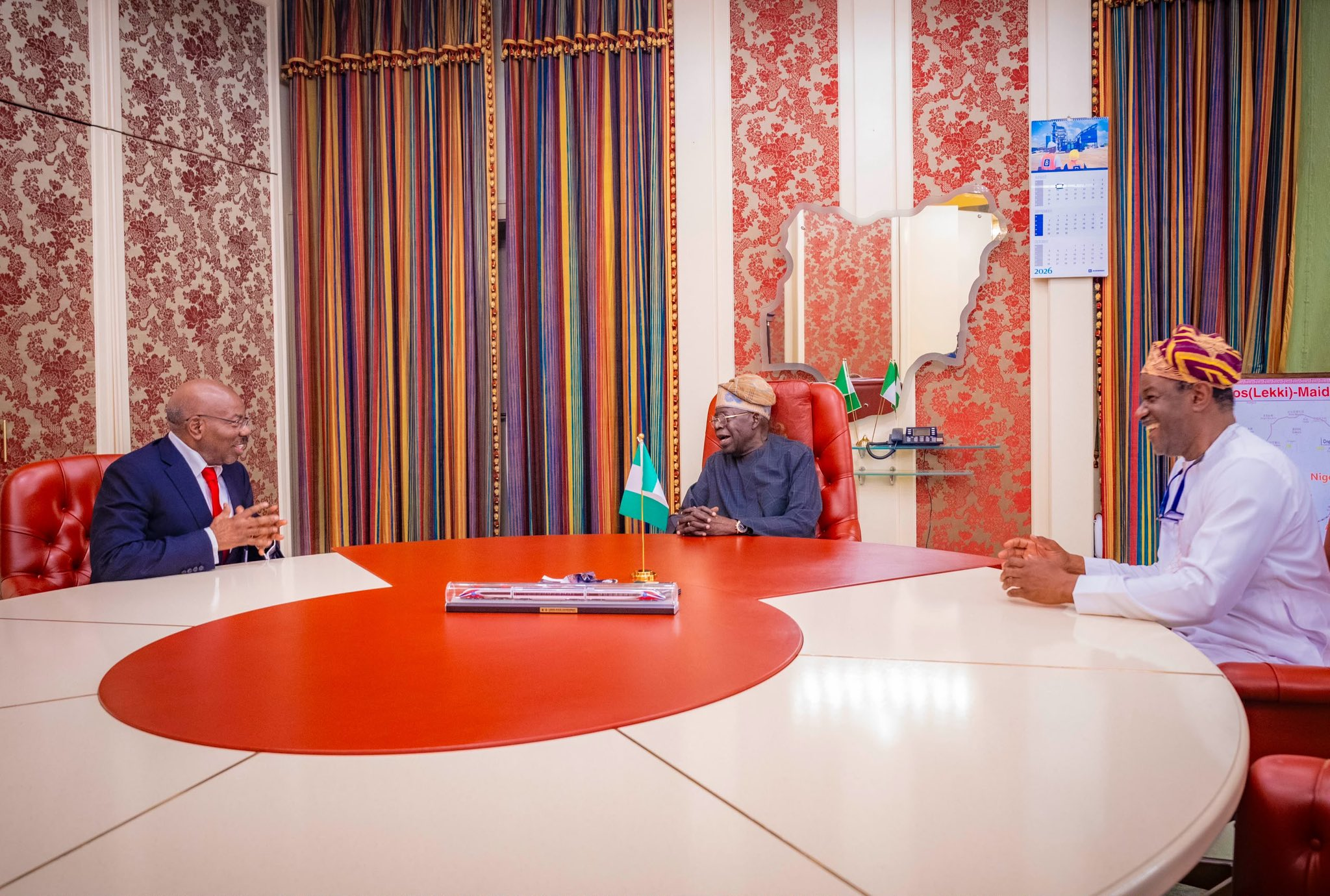
Tinubu gave the commendation while receiving NELFUND Chairman Jim Ovia and the agency’s Managing Director/Chief Executive Officer, Akintunde Sawyerr, at the Presidential Villa in Abuja.
Related News: Alausa Launches Nationwide Textbook Quality Reform
During the meeting, the President praised NELFUND’s leadership for driving the implementation of the student loan programme, saying the initiative is helping to remove financial barriers that have prevented many young Nigerians from pursuing tertiary education.
He specifically lauded Managing Director Akintunde Sawyerr for overseeing the rollout of the scheme and ensuring that eligible students across the country have greater access to quality higher education through interest-free financing.
Related News: U.S. Senate Confirms Dr. Erica Schwartz as CDC Director
According to NELFUND, the agency has so far disbursed more than ₦303 billion in student loans, benefiting over 1.64 million Nigerian students nationwide. The loans are designed to support tuition payments and other approved educational expenses without charging interest to beneficiaries.
The student loan programme forms part of the Tinubu administration’s Renewed Hope Agenda, which seeks to improve access to education, promote human capital development and reduce financial barriers to tertiary education.
The Presidency said the milestone reflects the government’s commitment to investing in Nigeria’s youth by expanding educational opportunities and equipping students with the resources needed to complete their studies.
Related News: FG Boosts Farm Mechanisation Through Operator Training
Officials noted that the continued implementation of the scheme is expected to strengthen enrolment in higher institutions, improve educational outcomes and contribute to the country’s long-term economic development through a more skilled workforce.