Nigeria’s local electricity meter manufacturers have prevented the importation of approximately 1.55 million electricity meters, a development authorities say reflects growing domestic production capacity and the Federal Government’s push to strengthen local manufacturing in the power sector.
The Nigerian Electricity Management Services Agency (NEMSA) disclosed that indigenous meter manufacturers supplied enough products to meet a substantial portion of national demand, eliminating the need for the planned importation of about 1.55 million units.
According to the agency, the achievement demonstrates increasing confidence in locally manufactured meters and aligns with government policies aimed at promoting industrialisation, reducing import dependence and conserving foreign exchange. According to a report by Punch Newspaper, the announcement was made during a stakeholders’ engagement on electricity metering.
NEMSA Managing Director and Chief Executive Officer, Aliyu Tahir, said Nigeria’s metering industry has recorded significant progress in recent years through investments in local production facilities and improved regulatory oversight. He noted that domestic manufacturers now possess greater technical capacity to produce meters that comply with national quality and safety standards, reducing reliance on imported products.
Also read: Obasanjo Meets Kwankwaso in Kano as Political Interest Builds Ahead of 2027 Elections
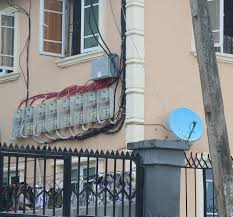
The development comes as the Federal Government continues efforts to address the country’s longstanding metering gap, which has contributed to widespread consumer complaints over estimated billing. Millions of electricity customers remain without prepaid meters, prompting successive administrations to introduce programmes designed to accelerate meter deployment and improve transparency in electricity billing.
Government initiatives such as the National Mass Metering Programme (NMMP) and the Presidential Metering Initiative (PMI) were established to increase meter availability, eliminate estimated billing and strengthen confidence in Nigeria’s electricity market. Officials say encouraging local manufacturing has become a central pillar of these reforms, with the expectation that domestic production will reduce procurement costs, shorten delivery timelines and create employment opportunities.
Industry stakeholders argue that expanding local manufacturing offers broader economic benefits beyond the electricity sector. Increased domestic production can stimulate industrial growth, encourage technology transfer, develop technical expertise and support small and medium-sized enterprises operating within the supply chain.
It may also help conserve foreign exchange by reducing expenditure on imported equipment.
Despite the progress, experts acknowledge that significant challenges remain. Nigeria still faces a substantial metering deficit, while manufacturers continue to grapple with high production costs, unreliable electricity supply, limited access to foreign exchange for raw materials and broader macroeconomic pressures. Addressing these constraints, analysts say, will be essential to ensuring that local producers can consistently meet nationwide demand.
Power sector analysts have welcomed the reported milestone but stress that sustained regulatory support, improved financing and continued investment in manufacturing capacity will determine whether Nigeria can achieve universal metering.
Also read: Gbajabiamila: Tinubu Chose Difficult Reforms Over Political Convenience
They also note that expanding access to quality locally manufactured meters could improve revenue collection for electricity distribution companies while enhancing consumer confidence in the sector.
The Federal Government has repeatedly affirmed its commitment to prioritising local content across strategic industries, with the electricity sector viewed as a key component of broader economic diversification and industrial development. Officials say strengthening indigenous manufacturing capacity remains critical to building a more resilient and self-sustaining power industry.