The Federal Government has revealed its plans to discontinue the existing policy that separates Junior Secondary School (JSS) from Senior Secondary School (SSS) upon identifying that over 20 million students are not transiting to senior secondary education.
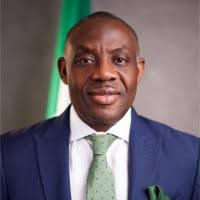
Speaking in Abuja during the inauguration of the Universal Basic Education Commission (UBEC) Ministerial Implementation and Monitoring Committee on Tuesday, the Minister of Education, Dr Tunji Alausa stated that the old disarticulation of JSS from SSS has failed the Nigerian children and contributes largely to the out-of-school problem.
According to the Education Minister Dr. Tunji Alausa, government data shows that Nigeria has a public primary school population of about 80,000 and only 15,000 JSS across the country which accounts for the crisis of having too many pupils that can’t get secondary education.
Also read: Gbajabiamila – The Strategy Of Power: How Decisions Build Institutions And Shape Results
“We have 20 million dropouts from primary school to JSS. Where are those students? We also found we have 80,000 public primary schools and only about 15,000 junior secondary schools.
That’s a one-to-eight ratio.
“We found that having disarticulation means that we have one principal in JSS and another in SSS with different administrative setup, so you have schools with a lot of children in JSS and few schools with very few students that are not adequately manned, especially in states such as Kaduna and others in northern Nigeria.”
He noted that the “disarticulation policy has failed” adding that the federal government will take a proposal to abolish it to the next National Council on Education, NCE meeting.
“We cannot be creating positions because we want to create director-level appointments while we harm our education system. It’s about doing what is best for every Nigerian child.”
Also read: INEC Enlists Media in Fight Against Vote Buying Ahead of Osun Governorship Election
Alausa further stressed that this move is part of a holistic plan to ensure more Nigerian children transit and move to SSS, thus reducing out-of-school students and optimally utilize existing school infrastructure.
The minister who also inaugurated a Prof Rashid Aderinoye-chaired committee that will see to the effective implementation of Smart Schools, Bilingual Schools and Alternative Schools funded by UBEC stated with displeasure that “many projects remain incomplete, under-utilized, or have yet to admit any student despite huge government expenditure and allocation. This represents an unacceptable waste of public resources”
Also read: U.S. Supreme Court Rejects Trump’s Bid to End Birthright Citizenship
Education experts have over the years advocated for more than the construction of schools by ensuring that such completed facilities are well-staffed, adequately resourced, and most importantly accessible to all Nigerian learners particularly those in rural, conflict-prone and isolated areas where most out-of-school children reside.