
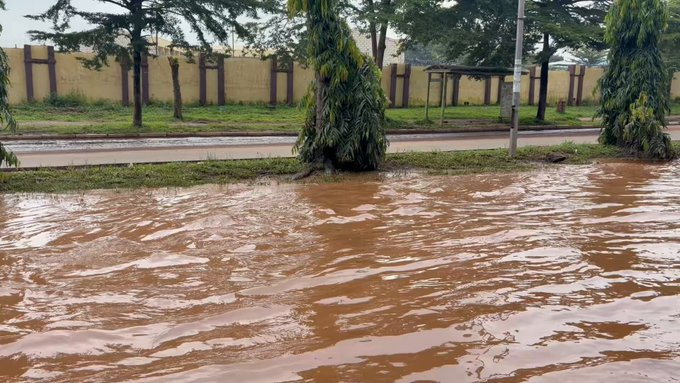
Flooding around luxury homes and estates in Abuja is drawing renewed attention to the city’s shrinking green areas, drainage systems and expanding construction footprint.
The development has raised questions about whether rapid urban development is outpacing proper environmental planning, particularly in areas where natural drainage channels and open spaces have been replaced by buildings and paved surfaces.
Experts and residents have increasingly linked recurring flooding in parts of the Federal Capital Territory to a combination of poor drainage, blocked waterways, inadequate urban planning and construction on environmentally sensitive areas.
ALSO READ: The Confident F.O.G: How Finance, Operations and Growth Build Sustainable Businesses
The issue goes beyond the damage caused to individual properties. Green areas serve important functions in urban environments by allowing rainwater to infiltrate the soil, reducing surface runoff and helping to moderate flooding.
When such spaces are converted into heavily built-up areas, rainfall has fewer natural pathways into the ground, increasing pressure on drainage infrastructure.
The flooding of high-value properties therefore presents an uncomfortable paradox for Abuja’s development story: wealthy neighbourhoods are not necessarily insulated from the consequences of weak environmental planning.
ALSO READ: British High Commission Hails Peaceful Osun Poll, Flags Voter Access Concerns
For urban planners, the challenge is balancing Abuja’s rapid expansion with the preservation of designated green spaces, flood plains and natural drainage corridors.
Authorities may also face growing pressure to enforce planning regulations more strictly, particularly where developments interfere with waterways or approved environmental setbacks.
The latest concerns reinforce the need for Abuja’s urban development to be assessed not only by the number of buildings constructed, but by whether those developments can withstand increasingly intense rainfall and protect the city’s ecological infrastructure.