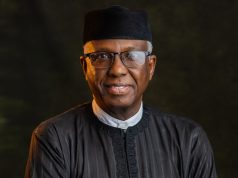

Leadership is frequently evidenced in a long-term relationship with people, institutions and ideas at large, beyond public relations. You will be able to see how Hon. Abdullahi Adamu Candido, has maintained a public brand characterized by serviceability, mobilisation, community engagement and the role of institutions.
Candido is known for his tenure as Chairman of Abuja Municipal Area Council (AMAC) and his role as the Coordinator of Renewed Hope Ambassadors under the All Progressives Congress (APC) and has a style of governance that places emphasis on grassroots presence and bridges between what is happening at the local level and larger national dialogue.
Recently, his work interests were public sensitisation, civic engagement and building awareness on government programmes and reformations in communities in FCT.
“Leadership is not only measured by office held—it is measured by the ability to move people, connect institutions, and sustain participation toward a shared vision of progress.”
As the years passed Candido came to be recognised as a political organiser, who had a clear insight in the value of relation building over moments. In all of his interactions with traditional institutions, political actors at all levels, local leadership, youth organisations and community networks, he has displayed a focus on participation, inclusion, and integrated and connected public communications.
Executing long-term engagement with traditional leaders and community groups in the FCT is a key factor in his recent engagements. The goal has gone beyond political communication to developing more direct linkages between leaders and citizens through organised visits and consultations, and enabling dialogue on governance issues and expectations of development.
Also read: Oyo Lifts Curfew in 10 LGAs as Search Continues for Abducted Pupils, Teachers
His public engagements have also extended to National development, economic participation, security issues, accountability and effectiveness of governance.
Having learned from the administration’s experience and popularization, Candido has always spoken in favor of better coordination of institutions, community involvement and the leadership that is able to put into practice policies and make them known through tangible actions.
In addition to the administration and political coordination, Candido’s biography is now characterized more and more by a notional explanation that governance should be understood, communicated and shortened – moved to the people. This vision has guided mobilisation actions aimed at ensuring that communities are not just bystanders but are at the heart of the developmental decision-making process.
Also read: Trump Unveils Limited-Edition US Passport Featuring His Portrait
The way he’s led has also shown that he’s one who cares about structure and bureaucracy. In the evolving structure of the Renewed Hope Ambassadors movement, influence by state and local groups to translate national goals into local understanding and engagement was increasing.
Institutions and stakeholders who watch the public leadership of Nigeria as it evolves, emerging leaders in particular will find this book informative. There is a direct pathway to influence that is created through consistency, visibility and community interaction, as demonstrated by Dr Abdullahi Candido Adamu.
With participatory governance, and development increasingly reliant on public trust, leaders who have a range of communication, mobilisation and institutional skills will play a key role in driving results and outcomes.
Also read: Yoruba Union Condemns Remi Tinubu’s ‘Akara’ ‘Kuli-kuli’ and Roasted Corn Remark, Urges First Lady to Lead by Example
But Candido is still playing his part in that developing discussion through public service, political coordination, and community-based outreach.