
THE QUICK BRIEF
- The Core Event: Icelanders rejected a proposal to restart European Union membership negotiations, according to preliminary results reported by broadcaster RÚV. Reuters reported the result as a vote to remain outside the EU.
- The Target Audience: Icelandic voters, European policymakers, Arctic governments and North Atlantic security partners are watching the decision’s geopolitical implications.
- The Underlying Trigger: The referendum revived an old sovereignty debate over fisheries and national control while Trump’s push for control of Greenland added a new security dimension to Iceland’s relationship with Europe.
GREENLAND INFLUENCED STRATEGIC DEBATE
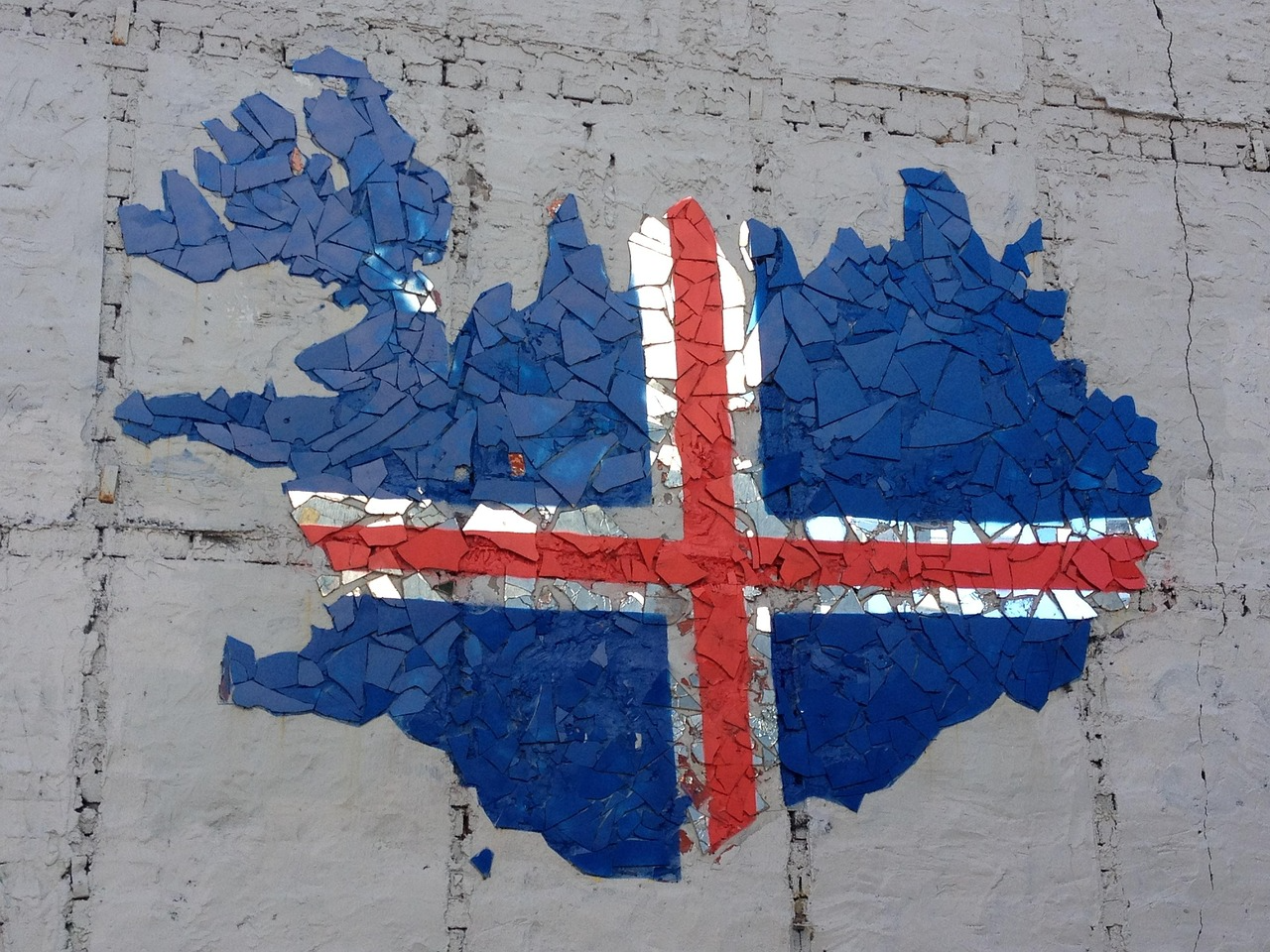
Iceland’s referendum was not a vote on immediate EU membership; it asked whether the country should resume accession negotiations that had been put on hold after Iceland’s earlier membership bid stalled. Preliminary results showed the “No” side ahead, with RÚV reporting roughly 52.5% against restarting talks and 47.5% in favour, a result that Reuters said was not expected to change materially as the final ballots were counted.
The final ballot decisions contain an unusual political geographic burden because the initial vote occurred alongside President Trump’s mandate to uphold control of Greenland, close to the North Atlantic environment. Supporters of EU talks argued that closer European integration could strengthen Iceland’s strategic position amid uncertainty over US policy, while opponents maintained that Iceland already enjoys extensive access to European markets through the European Economic Area without surrendering control over sensitive national resources. (
SECURITY CONCERNS COLLIDED WITH SOVEREIGNTY
Trump’s Greenland campaign changed the atmosphere around an issue that had previously centred heavily on economics and fisheries.
For some Icelanders, the question became whether closer European integration could provide an additional strategic shield if American territorial ambitions expanded elsewhere in the North Atlantic. But that argument did not overcome Iceland’s longstanding attachment to political independence.
FISHING RIGHTS REMAINED THE HARD RED LINE
Iceland’s fishing industry sits at the heart of the resistance to EU membership.
The country’s previous negotiations collapsed largely around disputes over fishing rights, and the issue remains deeply connected to Icelandic national identity and control over its marine resources. That makes the referendum more than a simple argument about Brussels. It is a sovereignty question.
ICELAND ALREADY HAS A FOOT INSIDE EUROPE
The rejection does not mean Iceland is turning away from Europe.
Iceland already participates in the European Economic Area and Schengen arrangements, giving it extensive access to the European single market and freedom-of-movement arrangements without full EU membership. (
That existing relationship strengthened the argument from opponents that the country could retain economic ties with Europe while preserving greater control over fisheries, trade policy and domestic decision-making.
THE ECONOMIC CASE FAILED TO OVERRIDE NATIONAL CONTROL
EU supporters highlighted economic arguments including greater currency stability, lower borrowing costs and the potential advantages of eventually adopting the euro.
Iceland’s volatile króna and relatively high interest rates have made those arguments relevant, particularly for younger voters facing elevated living costs.
Yet the electorate appears to have judged those potential gains against the immediate cost of surrendering greater control over national policy.
A SETBACK FOR BRUSSELS IN THE ARCTIC
The result also matters beyond Iceland.
An Icelandic move toward EU membership would have strengthened the bloc’s political and strategic presence in the North Atlantic and Arctic at a time when geopolitical competition in the region is intensifying.
The rejection leaves Iceland outside the EU while maintaining its existing European and NATO relationships. That is not isolation. It is a decision to preserve the current model.
ARCTIC REGIONS, THE LONG-TERM SECURITY IMPACT
The immediate focus will be the final certified referendum result and the Icelandic government’s response to the rejection, while Brussels will have to reassess expectations for expanding its northern footprint.
The Arctic question remains whether Trump will eventually continue the pursuit of Greenland ambitions takes a new turn towards changing Iceland public opinion over time, especially if the security pressure at the North Atlantic increases.