
By Samuel Ugonna Benson, Lead Analyst | Bold Lite Agency
The U.S.–Iran conflict has crossed another dangerous threshold, with Iranian missiles and drones reaching American-linked military positions in the Gulf after fresh U.S. strikes on Iranian targets near the Strait of Hormuz, turning the world’s most consequential energy chokepoint into the central battlefield of an increasingly regional war. This is no longer simply an exchange of strikes between Washington and Tehran. It is becoming a contest over who controls the arteries through which a substantial share of global energy moves.
The War Is Now About the Strait
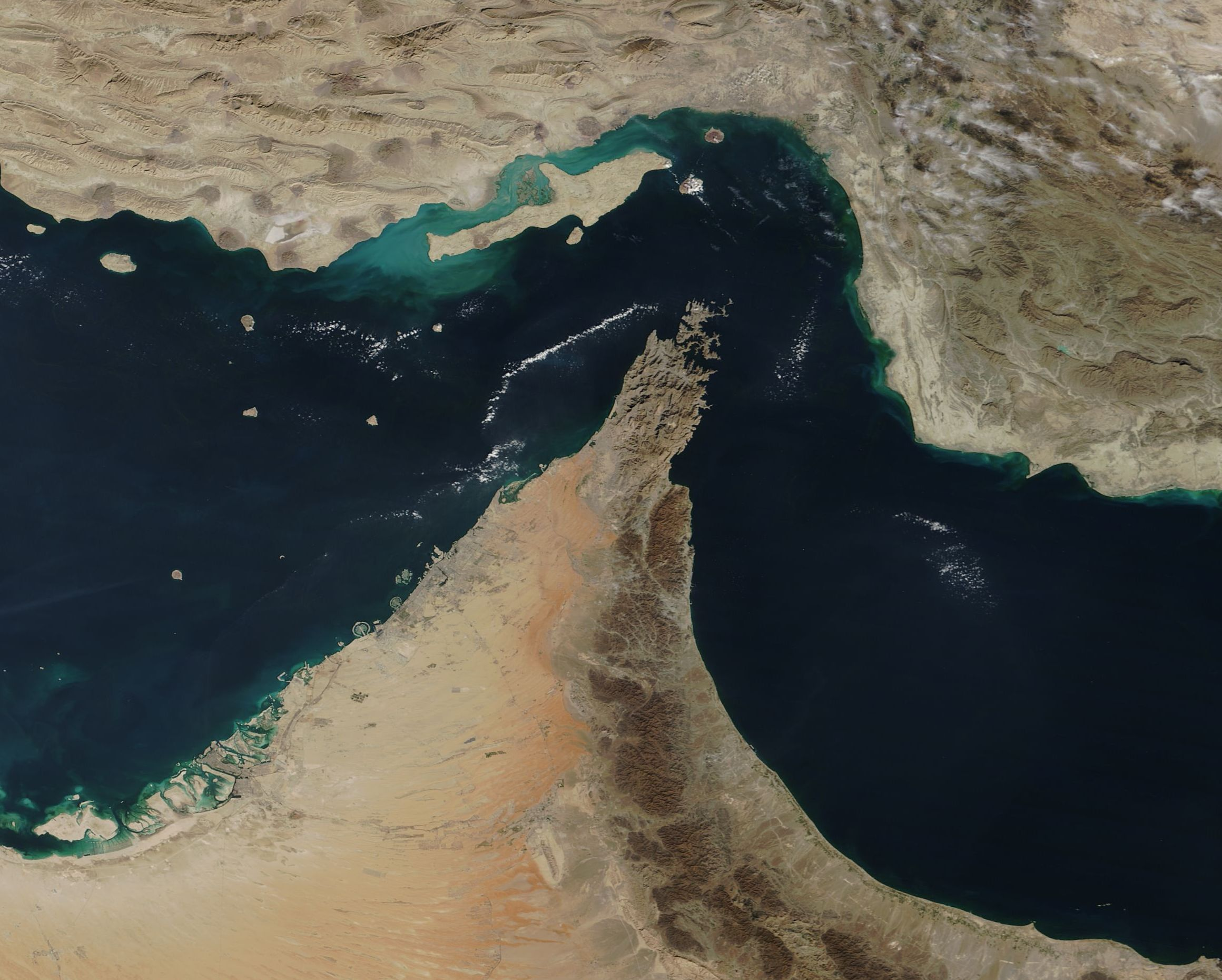
The geography explains the danger. The Strait of Hormuz is not merely another maritime passage. It is a strategic gateway linking major Gulf oil producers with international markets, meaning that sustained military disruption can rapidly transform a regional conflict into a global inflation and energy crisis. The latest escalation follows U.S. attacks on Iranian military assets near the strait and Iran’s subsequent retaliation against American-linked positions across the region.
Kuwait reported intercepting Iranian missiles and drones, while other Gulf states also reported dealing with incoming attacks. The military calculations are therefore becoming increasingly complicated. Washington wants to prevent Iran from using mines, missiles and other capabilities to restrict commercial shipping. Tehran, meanwhile, has demonstrated that pressure on the strait can impose economic costs far beyond Iran’s borders. That gives the waterway enormous strategic value.
Civilian Casualties Add a New Layer
The reported strike on a wedding gathering near Kuhestak has sharply intensified the humanitarian dimension of the conflict. Iranian officials and the Iranian Red Crescent reported that the strike killed civilians and wounded dozens, with children among those affected. The Red Crescent has called for an international investigation, while the United States has maintained that its military campaign is focused on Iranian military capabilities.
The competing accounts demand independent verification. The critical questions are whether the location was deliberately targeted, what intelligence the U.S. military possessed before the strike, what military objective was identified and how civilian-risk calculations were conducted.
Iran’s Gulf Retaliation Changes the Risk Equation
Tehran’s decision to strike beyond Iran’s immediate territory carries a major strategic implication. Iran is demonstrating that American military installations and allied infrastructure across the Gulf can become part of the battlefield if Washington continues striking Iranian positions. Reports of Iranian attacks involving Kuwait, Bahrain, Jordan and Iraq show how quickly the geographic boundaries of the conflict can expand.
That creates a difficult dilemma for Gulf governments. They are not necessarily participants in the U.S.–Iran confrontation, yet American military facilities on their territory can make them potential targets. Their air-defence systems are consequently being pulled into a conflict they have strong economic reasons to contain. The longer that pattern continues, the harder regional neutrality becomes.
Hormuz Is Becoming an Economic Weapon
The clearest warning is appearing in shipping data and oil prices. Reuters reported Brent crude at approximately $97.29 per barrel on September 3, its highest level in six weeks, as traders priced in greater risks to regional supply. At the same time, traffic through Hormuz has dropped substantially, reflecting the reluctance of shipping operators to expose vessels and crews to an increasingly dangerous maritime environment.
That combination matters more than the oil-price headline alone. Even when crude remains physically available, fewer ships moving through the chokepoint can raise freight, insurance and risk premiums. Those additional costs eventually feed into fuel, transportation, manufacturing and food prices. The war can therefore transmit inflation without completely eliminating oil production. That is the economic mechanism policymakers should fear.
Nigeria Faces a Complicated Oil Windfall
For Nigeria, the crisis presents an uncomfortable contradiction. Higher international crude prices can increase government oil receipts and strengthen foreign-exchange earnings if Nigerian production and export volumes remain stable. That could provide temporary fiscal relief for a government seeking to finance infrastructure and manage its external obligations. But the benefit is not automatic.
Nigeria also imports refined petroleum products and remains exposed to international shipping, freight and energy-market disruptions. A sustained global oil shock could therefore increase the cost of imported fuel and other energy-linked goods even while higher crude prices improve upstream revenue. The result could be a fiscal gain colliding with a household-cost problem.
The $100 Oil Question
Brent approaching $100 is becoming a realistic market scenario rather than a distant theoretical threshold. The crucial variable is not simply how many missiles Iran or the United States can launch. It is whether the conflict produces a prolonged reduction in tanker traffic, damages critical energy infrastructure or creates insurance and security conditions that make commercial passage economically unattractive.
That is where the conflict could become substantially more expensive. A short military exchange could generate a temporary risk premium. A prolonged Hormuz disruption could create a structural supply shock. The difference would be enormous.
What Comes Next
The immediate danger is escalation through miscalculation. An Iranian missile that causes significant casualties at a U.S. facility could trigger another American strike. A U.S. attack that produces mass civilian casualties could intensify Iranian retaliation. A strike on a commercial tanker could cause shipping insurers and operators to withdraw even more aggressively.
Each response could narrow the diplomatic space. That is why the Strait of Hormuz has become the conflict’s most important pressure point. Control of the waterway now affects military strategy, global energy prices, Gulf security, inflation expectations and the economic calculations of governments thousands of kilometres from the battlefield.
Bold Lite Strategic Outlook
The U.S.–Iran confrontation is moving toward a phase where the economic consequences could become as consequential as the military exchanges themselves, particularly if restrictions on Hormuz persist and commercial shipping continues to retreat. For Nigeria, elevated crude prices could strengthen government revenues in the short term, but higher import, freight and refined-fuel costs could dilute that advantage and intensify domestic inflationary pressure. The decisive variable will be duration: a brief disruption may deliver an oil windfall, while a prolonged maritime crisis could destabilise supply chains and overwhelm the fiscal benefits of higher crude prices. Global markets will therefore watch Hormuz more closely than the battlefield map, because every additional day of restricted shipping increases the possibility that a regional war becomes a worldwide economic shock.