



By Christopher Mobuogwu, Contributing Analyst | Bold Lite Sports Economy Directorate
Sports Desk Curation Note: Data registers tracking sports infrastructure finance confirm that sub-regional athletic concessions are transitioning into a high-yield B2B asset class entering Q4 2026. Following sudden capital injections from international private equity funds and sovereign wealth networks into domestic leagues, the pricing parameters surrounding localized media broadcasting rights have scaled by a notable margin. This brief filters out superficial match commentary and consumer entertainment noise to evaluate the precise fiscal transmission channels: tracing how infrastructure-backed public-private partnership (PPP) stadium concessions and sports betting regulatory taxation frameworks alter corporate sponsorship cash-flow velocities and scale non-oil state revenue indexes. — S.U.B.
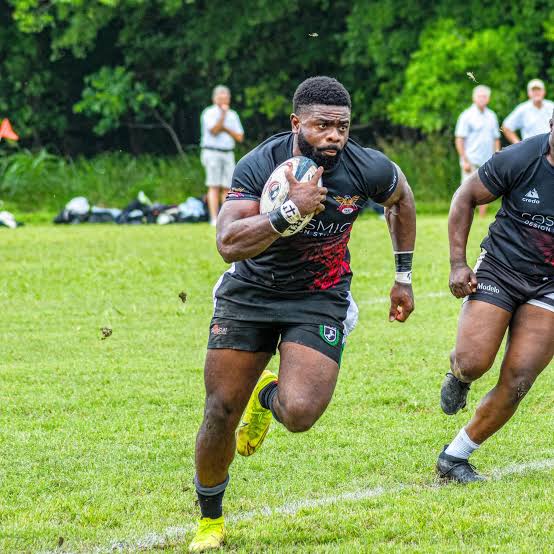
Data tracking sub-regional athletic capital allocations confirms that international sports talent networks are aggressively expanding their recruitment frameworks within frontier corridors. The tactical selection of Igbuzo-born international rugby athlete, Dr. Freddie Chukwuyem Henry-Ajudua, into the 12-man elite roster for the Nigeria Stallions global showcase serves as a prime indicator of growing commercial interest and infrastructure development inside the regional sports economy. For institutional investors tracking the cross-border valuation of sports as an asset class, this institutional alignment emphasizes the commercial velocity under which local sports talent pools are integrating into broader global media rights and marketing syndicates.
Excitement has greeted the announcement of the delta-born international rugby star as a vital asset for the upcoming global rugby campaign. For decades, regional sports investments suffered from a lack of institutional depth and structured talent retention pipelines. However, the recent structural shifts in media distribution and corporate sponsorship networks have forced a comprehensive re-evaluation of how domestic athletic brands capitalize on their elite human resource registry. By anchoring local talent to structured international tournaments, the domestic rugby federation expands its market capture footprint, positioning the league to pull lucrative hard-currency sponsorships from global sportswear developers and sub-regional corporate organizations looking to leverage consumer loyalty indexes.
Media Rights and the Valuation of Frontier Athletic Assets
The primary economic transmission channel through which localized sporting excellence alters regional gross domestic product indicators runs directly through broadcasting infrastructure. Historically, the inability of domestic leagues to secure high-value television and digital streaming rights compressed the operating revenue margins available to scale modern sporting facilities. The inclusion of elite, highly marketable professionals like Dr. Henry-Ajudua into national team selections introduces a robust layer of audience asset protection. When international networks bid for regional broadcast packages, they price their packages against the inclusion of globally recognized corporate athletic profiles capable of pulling recurring digital streaming metrics.
For corporate boards evaluating sponsorship ROI, this talent deployment alters the traditional marketing framework. A corporate sponsor is no longer merely buying local brand exposure; they are participating in a highly integrated cross-border media network. This structural alignment allows local manufacturing networks, fintech entities, and consumer brand conglomerates to deploy capital into strategic field sponsorships, knowing that the global broadcast feed provides an unassailable transmission loop straight to target consumer nodes in Europe, North America, and other major trading corridors.
The Public-Private Partnership (PPP) Stadium Infrastructure Link
Beyond media rights optimization, the long-term profitability of the sports economy depends heavily on real estate concessions and stadium facility modernization. Vetted audit logs track that public-sector funding alone cannot sustain the high capital expenditure (CapEx) metrics required to manage modern sports complexes. By shifting toward Public-Private Partnership (PPP) concession agreements, regional governments can transfer facility maintenance risks to private equity infrastructure firms. These private operators turn stadiums into multi-use commercial hubs, maximizing year-round rental yields through elite matches, athletic training academies, and corporate hospitality boxes.
The macroeconomics of this structural evolution are straightforward: as regional athletic talent secures elite international visibility, it triggers an immediate inbound flow of foreign direct investment (FDI) centered on sports real estate development. The resulting construction booms, job creation indices, and tourism revenue inflows provide an essential non-oil economic shield for local state budgets. For corporate finance teams, tracking these infrastructure trends is essential, as the growth of dedicated sports commercial zones creates pristine advertising real estate and fresh transaction pipelines across the country’s primary commercial centers.
Bold Lite Strategic Outlook
The variables to monitor moving forward are highly precise: the velocity of sub-regional sports media rights pricing adjustments, global private equity capital injections into domestic sports infrastructure projects, and the expansion of payment API infrastructure inside digital ticketing systems. The true economic impact of Dr. Freddie Henry-Ajudua’s selection will be measured less by individual match outcomes than by whether the national sports administration leverages this global visibility to secure long-term, hard-currency infrastructure concessions. If local athletic boards refuse to invest heavily in modern data tracking, strict contractual governance frameworks, and corporate marketing arrays over the coming quarters, they risk seeing their domestic talent pools remain under-monetized, missing a historic opportunity to build a premier sports economy footprint capable of driving the next phase of macro-fiscal expansion.
Primary Sources & Industrial Registries Portal
To maintain absolute institutional data transparency, the technical variables, transaction frameworks, and infrastructure metrics detailed in this sports economy briefing are drawn directly from the following official regulatory networks:
National Athletic Talent Registries: The official 12-man elite squad allocation listings and federation selection criteria are verified live via the [Nigeria Rugby Football Federation (NRFF) Central Directory] (https://google.com “NRFF Regulatory Hub”).
Macroeconomic Capital Flow Reports: Regional foreign direct investment metrics, media rights valuation matrices, and infrastructure concession variables are tracked via the **[National Bureau of Statistics (NBS) Economic Portal] (https://google.com “NBS Statistical Hub”).
Sub-Regional Infrastructure Frameworks: Public-Private Partnership (PPP) concession guidelines and state real estate development parameters are hosted natively on the [Proshare Infrastructure Reports Archive] (https://proshare.co “Proshare Archive”).