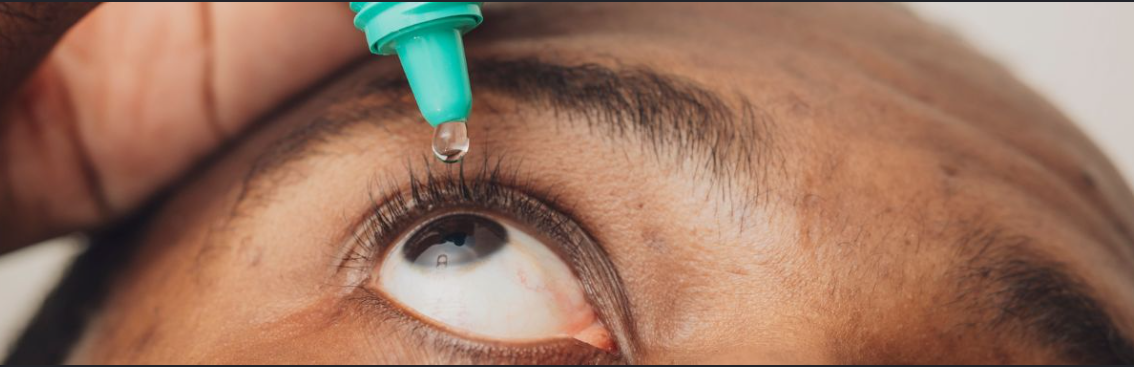
Residents of Potiskum Local Government Area of Yobe State are raising concerns over a reported increase in cases of viral conjunctivitis, popularly known in Nigeria as “Apollo.” Recent local reports say cases have been spreading across parts of the town, prompting calls for residents to observe stricter hygiene measures.
“Apollo” is commonly used to describe a highly contagious form of viral eye infection, particularly acute haemorrhagic conjunctivitis.
The condition can spread rapidly through close contact and contaminated hands or objects.
Typical symptoms include red or irritated eyes, excessive watering, itching, swelling, discharge and sensitivity to light. In some cases, symptoms can develop suddenly and affect one or both eyes.
The reported situation in Potiskum has generated concern because of the infection’s ability to move quickly through communities. Local reports have urged residents to maintain strict personal hygiene and avoid practices that could facilitate transmission.
Health information on conjunctivitis emphasises the importance of regular handwashing, avoiding unnecessary touching or rubbing of the eyes, and not sharing towels, face cloths or other personal items.
ALSO READ: Osun Post-Poll Violence: APC Chieftains Targeted, Properties Vandalised
Research by the Journal of the Nigerian Optometric Association also found that washing hands and face regularly was widely recognised as a preventive measure against eye infections.
Residents experiencing symptoms are advised to seek assessment at a health facility or eye-care centre, rather than relying on unverified home remedies.
Some traditional treatments used for eye infections can potentially cause additional injury to the eye.
The reported development comes amid wider reports of viral conjunctivitis cases in parts of Yobe State. The Nation recently reported that viral conjunctivitis, popularly called Apollo, had been reported across parts of the state for more than 10 days.
ALSO READ: Canadian Dollar Climbs as Inflation Hits 3%, Reviving Rate Concerns
At the time of reporting, I could not verify from an official Yobe State Ministry of Health or Nigeria Centre for Disease Control statement the exact number of confirmed cases in Potiskum.
The situation should therefore be described as a reported rise in cases, rather than a confirmed outbreak of a specific scale.