
THE QUICK BRIEF
- The Toll: Plateau State has recorded 23 deaths and 143 suspected diphtheria cases within two weeks, according to the state Commissioner for Health, Nicholas Baamlong.
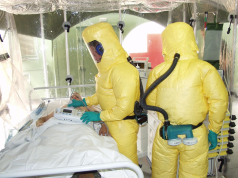
- The Pressure Point: Nine patients are currently receiving treatment in isolation at Jos University Teaching Hospital and Plateau State Specialist Hospital in Jos.
- The Response Gap: Health authorities cite shortages of diphtheria antitoxin, late presentation by patients and difficulties collecting specimens for laboratory confirmation as major obstacles.
Immediate Health Emergency Awareness Responses Activated
Plateau State is confronting a rapidly developing diphtheria outbreak, with health authorities reporting 143 suspected cases and 23 deaths in just two weeks as they race to prevent further transmission.
The Commissioner for Health Nicholas Baamlong stated that the affected patients are being isolated while the government increases surveillance, intensifies public awareness, and drives community intervention initiatives through traditional rulers and other stakeholders. The figures represent a sharp increase from earlier report of 117 suspected cases and 15 deaths.
Jos North At The Centre
The outbreak is concentrated in communities within Jos North Local Government Area, with Rikkos identified as a major affected community. Nine patients remain hospitalised, with seven at Jos University Teaching Hospital and two at the Plateau State Specialist Hospital, according to the latest figures provided by the state health authorities.
The situation has placed additional pressure on health facilities already managing the consequences of delayed treatment.
Antitoxin Shortage Complicates Response
Baamlong identified access to diphtheria antitoxin as one of the biggest challenges confronting the response, alongside patients arriving at health facilities late.
That combination can make a fast-moving infectious disease harder to contain, particularly when suspected cases continue to emerge within closely connected communities. The state government has notified the Nigeria Centre for Disease Control and Prevention and expects support, particularly for antitoxin supplies.
Diagnosis Also Faces A Bottleneck
Plateau’s response is facing another problem: confirming suspected cases. The health commissioner said authorities lack specialised containers needed to collect and transport samples for laboratory confirmation, creating a gap between suspected infections and definitive diagnosis.
That matters because effective outbreak surveillance depends on quickly identifying where confirmed infections are occurring and tracing potential transmission.
Communities Become The Next Front Line
The government has activated awareness campaigns through traditional rulers and community stakeholders, focusing on symptoms, transmission and preventive measures.
Diphtheria can spread through close contact, including respiratory droplets from coughing and sneezing, making early recognition and prompt medical attention important during an outbreak.
The response therefore extends beyond hospital wards. It reaches into homes, schools, religious centres and neighbourhood networks where close contact can accelerate transmission.
Government Provision for Medical Materials For Sufficient Treatment
The immediate priorities for Plateau State remain securing sufficient antitoxin, improving access to specialized laboratory containers, and ensuring symptomatic patients reach treatment isolation blocks early. Forthcoming epidemiological charts will determine whether these combined community interventions succeed in stabilizing transmission or if the infection continues to outpace local containment capacity.