



THE QUICK BRIEF
- The Core Event: President Donald Trump has signed an executive order directing the United States to rename Lake Ontario as “Lake America” in federal usage.
- The Target Audience: US and Canadian governments, border communities, businesses tied to cross-border trade and the millions who live around the Great Lakes now sit inside a widening political dispute.
- The Underlying Trigger: The order comes as trade negotiations between Washington and Ottawa deteriorate, with tariffs and retaliatory measures already straining relations between the two long-standing allies.
WHEN TENSION PRODUCES ORDER
Trump signed Executive Order 14420 on August 27, 2026, directing US federal authorities to adopt “Lake America” for Lake Ontario. The White House framed the move as an effort to honour American history and the Great Lakes, while the decision immediately added a symbolic flashpoint to an already tense US-Canada relationship.
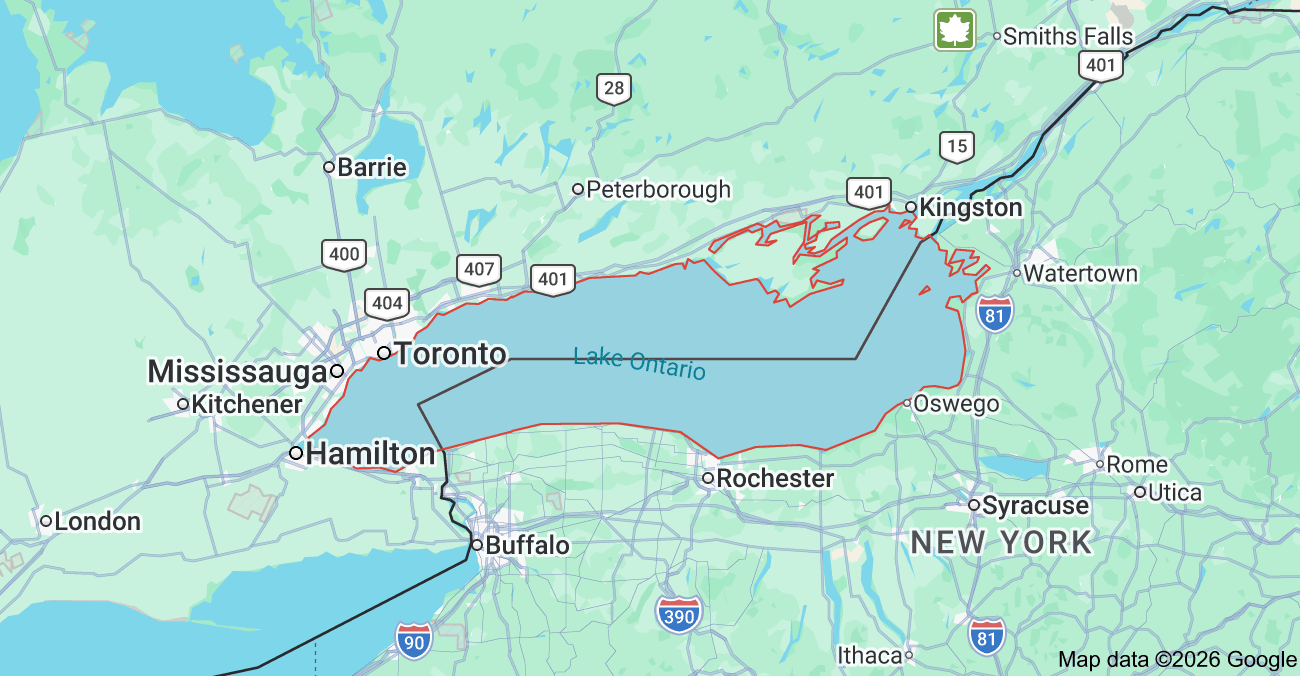
President Trump mandate the lake name change via executive order. But the order does not give Washington the power to rename the lake for Canada or the wider world. Lake Ontario sits between New York and the Canadian province of Ontario, and the two countries share management of the waterway under longstanding cross-border arrangements. The executive order therefore changes US federal usage, while Canada can continue using Lake Ontario. As captured in footage shared by Breaking911 on X
A MAP CHANGE BECOMES A DIPLOMATIC MESSAGE
On its face, the decision concerns geography.
In reality, it lands in the middle of a much larger political confrontation involving trade, tariffs and increasingly hostile rhetoric between Washington and Ottawa. Reuters reported that the renaming followed a breakdown in trade negotiations, while Canada has announced retaliatory tariffs in response to recent US measures.
The symbolism carries weight.
Trump previously renamed the Gulf of Mexico as the “Gulf of America” for US federal purposes, making the Lake Ontario decision part of a broader pattern of using presidential authority and geographic naming as an expression of his political agenda.
WASHINGTON CAN CHANGE ITS RECORDS, NOT CANADA’S
The most important legal distinction lies in the scope of the order.
US federal agencies can update official maps, records and references under American jurisdiction. Canada does not have to recognise “Lake America,” and international bodies or foreign governments can continue using Lake Ontario.
That leaves two names in circulation.
For US federal purposes, the administration has ordered the new designation. Across the border, Canadian officials and institutions retain control over their own geographic naming conventions and are under no obligation to follow Washington’s decision.
TRADE TENSIONS NOW HAVE A SYMBOLIC FRONT
The renaming arrives at a sensitive moment for North American economic relations.
The US and Canada operate deeply connected supply chains, particularly across manufacturing, agriculture and energy, meaning political escalation can eventually affect businesses and consumers on both sides of the border. Canada has announced retaliatory tariffs on US goods amid the current dispute.
That makes the naming controversy more than a social-media spectacle.
It adds another layer of political friction at a time when both governments face pressure to protect domestic industries while avoiding deeper disruption to one of the world’s most integrated trading relationships.
PHYSICAL MAPS AND INTERNATIONAL MARITIME CHARTS REAMIN UNCHANGED
The next development will be Canada’s official political response and whether the naming dispute remains symbolic or feeds into the wider trade confrontation. Attention will also turn to how quickly US federal agencies and mapping systems implement the executive order.
Currently the geographical layout yet to change. President Trump enacted the change through his executive order.